A Jewish prime minister is not the voice of Torah.
Netanyahu can represent a state. He cannot define what a Jew lives for—or where a Jew places his trust. His UN address must be read with that distinction intact.
Tehillim 146:3–5 · Chovos Halevavos · Shaar HaBitachon, chapter 3; first prerequisite, seventh point
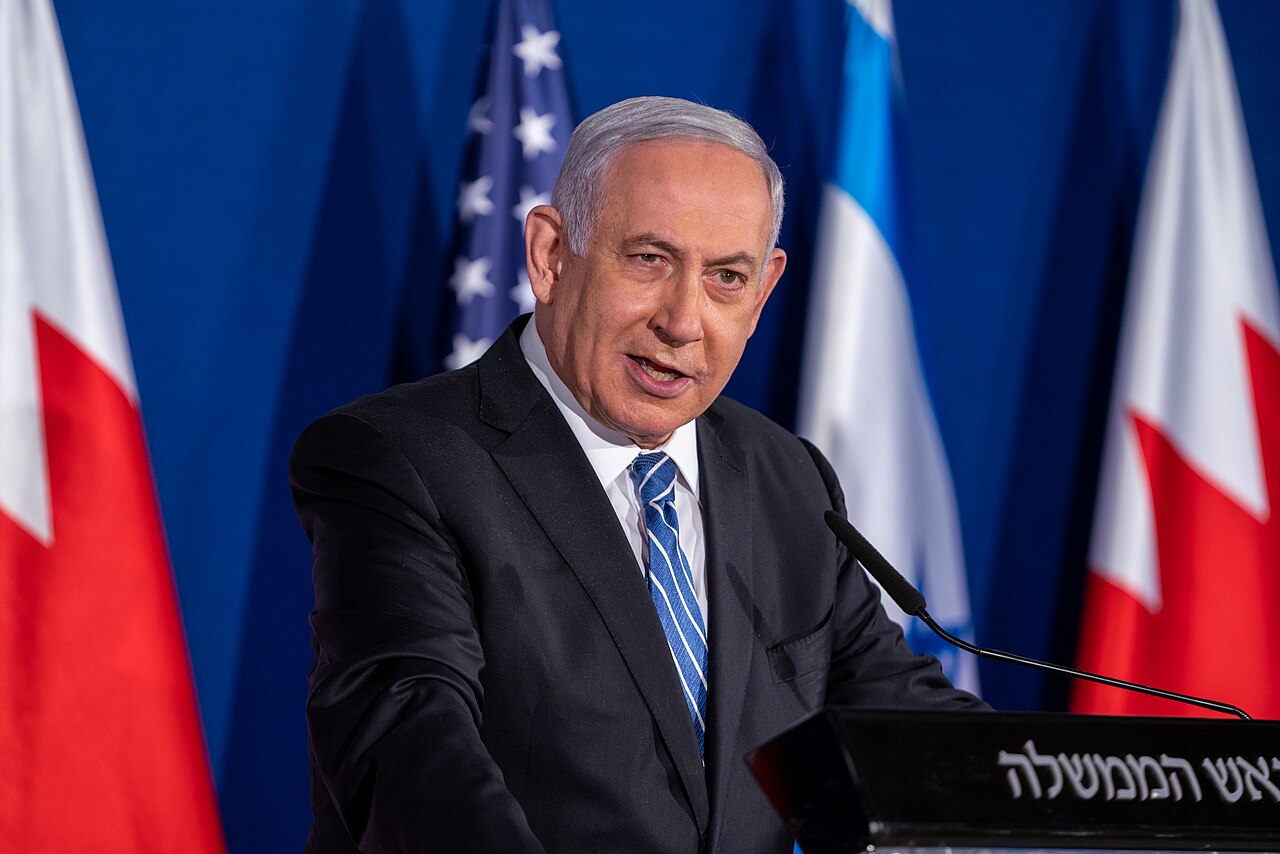
The claim behind the performance
In his September 24 UN address, Benjamin Netanyahu defended Israel’s wars, challenged New York Mayor Zohran Mamdani, and spoke to Jews around the world. He described the state, its army, and the determination to defend themselves as a transformation of Jewish vulnerability. The transcript also invokes God and Scripture. Its religious language belongs in an honest account of the speech.
The important hashkafic question begins after that account. What authority has the listener granted the man at the podium? The ability to articulate danger, defend a country, or express collective pain is consequential. None of those abilities, by itself, establishes who can define the purpose of Jewish life.
Office is not Torah authority
A prime minister has a governmental office. A talmid chacham teaches Torah through learning and responsibility to its sources. Confusing those kinds of authority changes the standard by which a speech is heard. Instead of asking whether its assumptions withstand Torah examination, the listener begins treating political prominence as the answer.
That confusion can survive inside very religious language. A speech can mention Hashem while leaving its audience emotionally dependent on the strength of one leader. Conversely, acknowledging a useful action need not mean accepting its author as a spiritual guide. Gratitude can be specific. Religious judgment must remain independent.
Sources: [2] Tehillim 146:3–5
The machinery does not govern the Master
Shaar HaBitachon, chapter 3, places the chain of worldly causes under Hashem’s decree. Human beings still have work to do; the means do not possess independent power. Tehillim 146:3–5 directs ultimate trust away from mortal rulers and toward Hashem.
Applied to this speech, the distinction is demanding. Intelligence, diplomacy, military judgment, and public communication can matter enormously. They can be examined closely, praised where warranted, and criticized where necessary. But success through a particular person cannot establish that our future belongs to him. A channel through which help arrives does not become the owner of that help.
This outlook also preserves responsibility. A human decision remains open to moral scrutiny. Saying that an event occurred under Hashem’s governance does not certify the conduct of everyone involved. Otherwise every abuse of power could claim religious protection merely because it happened.
Sources: [3] Chovos Halevavos · Shaar HaBitachon, chapter 3; first prerequisite, seventh point[2] Tehillim 146:3–5
Torah cannot become a rhetorical accessory
Torah language carries obligations beyond the emotional force it lends a platform. A Biblical reference does not settle a question about education, religious freedom, honesty, or the treatment of Torah scholars. Each issue needs its own facts and its own serious consideration. Neither applause abroad nor criticism from an opponent closes those questions.
That standard reaches the newspaper as well. An editor cannot use the phrase “Torah view” to shelter an unsupported accusation. Religious conviction makes factual accuracy more binding. If the speech contains a relevant qualification, print it. If a popular interpretation outruns what was said, correct it. A strong thesis becomes stronger when it survives the complete record.
Hear the speech. Keep the standard.
For the reader, this has a practical demand. Hear what was said, then ask what the speech has done to your heart. Has it strengthened your awareness of Hashem, or persuaded you that one powerful man is the foundation of your security? Return to Torah and tefillah with your priorities intact. The day’s political performance has no authority to reorder your avodas Hashem.
The podium gives a man a microphone. It does not give him authority over the meaning of Jewish existence. Torah Lens begins its examination there. The facts deserve attention. The speaker deserves an accurate account. Hashem alone receives the ultimate reliance that no public office can acquire.
Sources: [2] Tehillim 146:3–5
Sources & reporting notes
- Netanyahu’s UN address · September 24, 2026 ↗
PMO-released transcript, republished by JNS with light style edits. Evidence of the speech’s contents.
- Tehillim 146:3–5 · trust and mortal rulers ↗
Primary Torah text. The application to this speech follows the quoted principle; it is not an attributed contemporary psak.
- Chovos Halevavos · Shaar HaBitachon, chapter 3 ↗
The first and fifth prerequisites discuss Hashem’s governance and the chain of means.
Torah passages are quoted sources; the connection to this event is Torah Lens’s application, prepared for rabbinic review. No approval by Rav Dov Landau or Rav Moshe Hillel Hirsch is claimed. Short English renderings are our own.